“educare aeternum”
The Lyceum is a collaborative, student-run database aiming to connect K-12 teachers and students with educational resources in the humanities. We are dedicated to making the humanities more important, accessible, and powerful for everyone.
Featured Resource Banks

English and Creative Writing
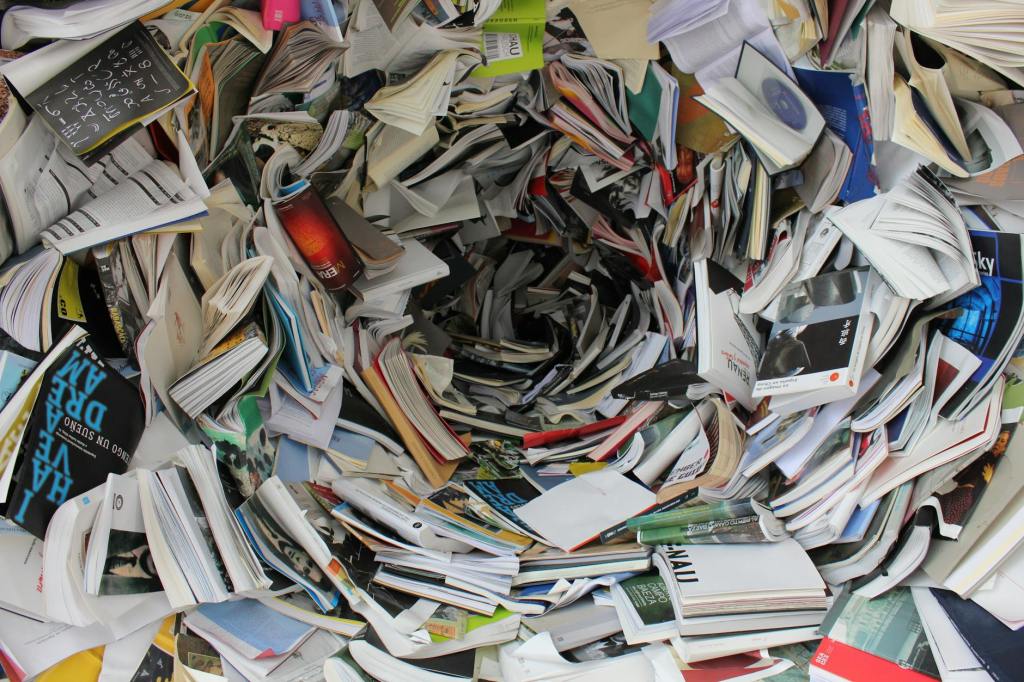
The words of a story can echo one’s innermost experiences in a way few other art forms can. As teachers and educators, it can sometimes be difficult to navigate the complexities of building a classroom library, or even selecting books for one’s curriculum, especially in this age of book banning and censorship. Yet, curating a collection of books that truly mirrors the world is crucial to a student’s development: books can make them feel seen, heard, and appreciated. Sometimes, you just need to open a new page.
Art History
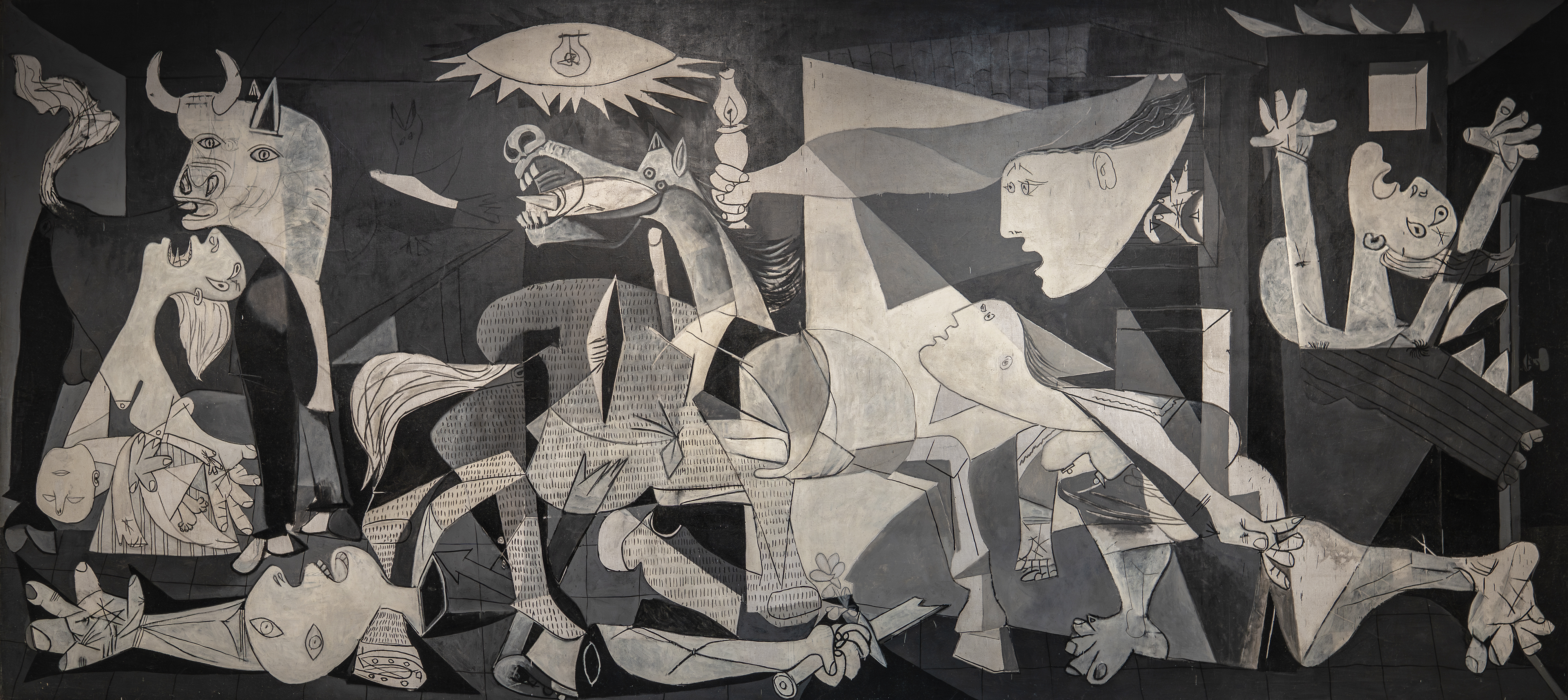
As educators and scholars, we fight to keep art history relevant to the students of today. But in an world of artificially generated images and decreasing interest in the ‘archaisms’ of artwork, do we ever stop to ask what makes art worth fighting for? The answer: learning about art tells us about ourselves in the past, present, and future. With the right resources, students can see that, too.
Founded by student members of the National Humanities Leadership Council, the Lyceum responds to the growing concern of humanities defunding across American education.

Articles from our humanities highlights….
-

Cao Fei
Cao Fei is a Chinese multimedia artist. Her work is set in the aftermath of the Chinese Cultural Revolution. Fei blends surrealism, social commentary, pop culture, and documentary in her films and installations. With this variety of techniques and subjects, she examines how rapid sociocultural transformation affected daily Chinese lives. One consequence of this transformation…
-
Suchitra Mattai
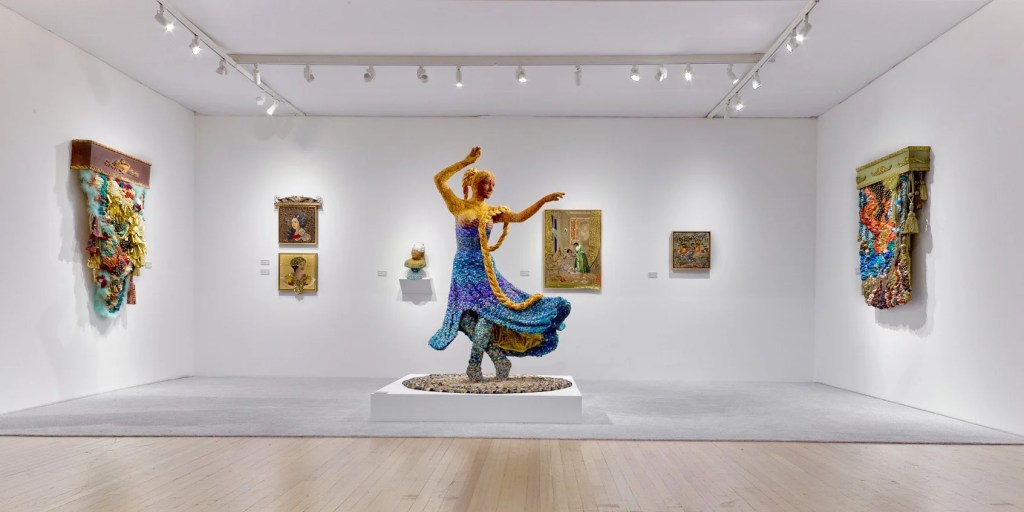
Suchitra Mattai is a Guyanese-American artist of South Asian descent. Her multi-disciplinary work examines, and unravels, existing historical narratives. Mattai also embraces her distinct Indo-Caribbean heritage. Hoping that it strengthens her interaction with history, she specifically draws from her and her family’s experiences with colonization, migration, and gendered domesticity. What does this look like? Oftentimes,…
Want to learn more?
Submit resources through one of our collections forms or message us with the form below.


 THE LYCEUM